title: "Why Elmo Learning Arabic Matters: What the Backlash Teaches Us About Representation" description: "When Sesame Street taught Elmo a few words of Arabic, the backlash was immediate. Here's what that reaction reveals about why Muslim representation in kids' media matters more than ever." date: "2026-05-12" slug: "elmo-arabic-muslim-representation" category: "Representation" tags:
- Muslim representation
- Sesame Street
- Arabic
- kids media
- hijabi sticker books
- Islamic toys image: "/blog/elmo-arabic-muslim-representation-hero.webp"
A Puppet, a Word, and a Firestorm
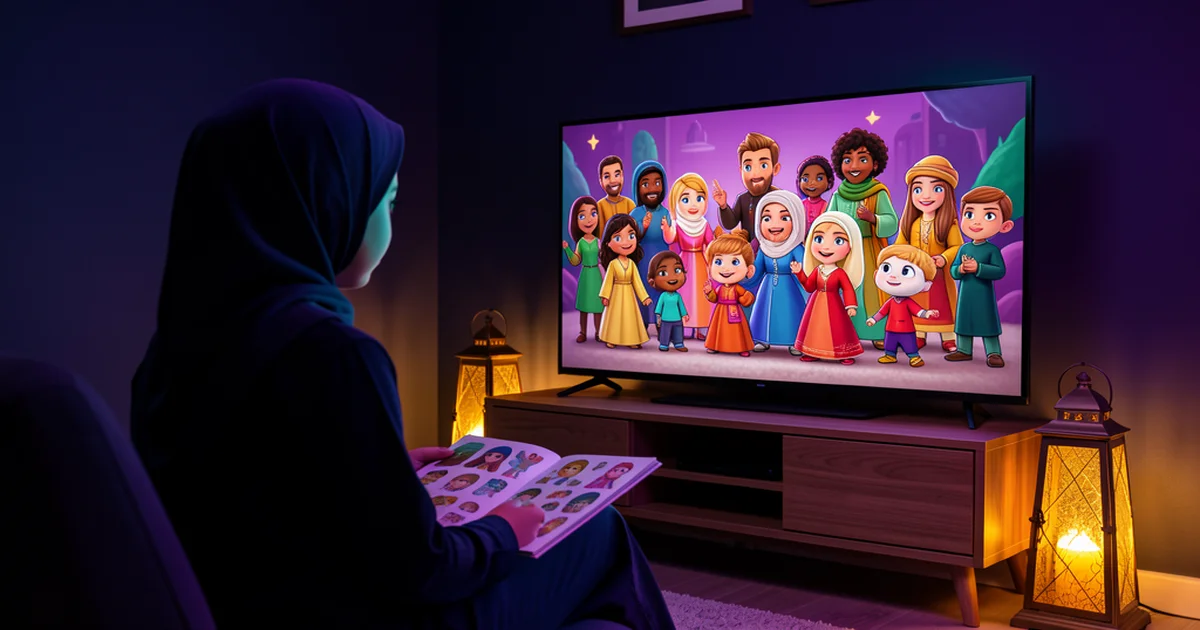
Actor Ramy Youssef appeared on Sesame Street and taught Elmo a few words of Arabic. A muppet. Saying "ahlan." And certain corners of American media lost their minds.
Fox News ran segments warning about "Muslim indoctrination." Commentators who had never mentioned Sesame Street before suddenly had very strong opinions about children's educational programming.
It would be funny if it weren't so revealing.
What the Backlash Actually Says
Nobody panics when Elmo learns to count in Spanish. Nobody warns of "cultural indoctrination" when kids sing along in French. But Arabic? That's treated as dangerous.
The message is clear: some cultures are welcome in children's media, and others are suspect by default.
Muslim kids hear that message. Their parents hear it too. And it shapes how families decide what content is "safe" for their children — not because of the content itself, but because of how the world might react to it.
The Representation Gap
This isn't just about Elmo. It's about a massive gap in children's products:
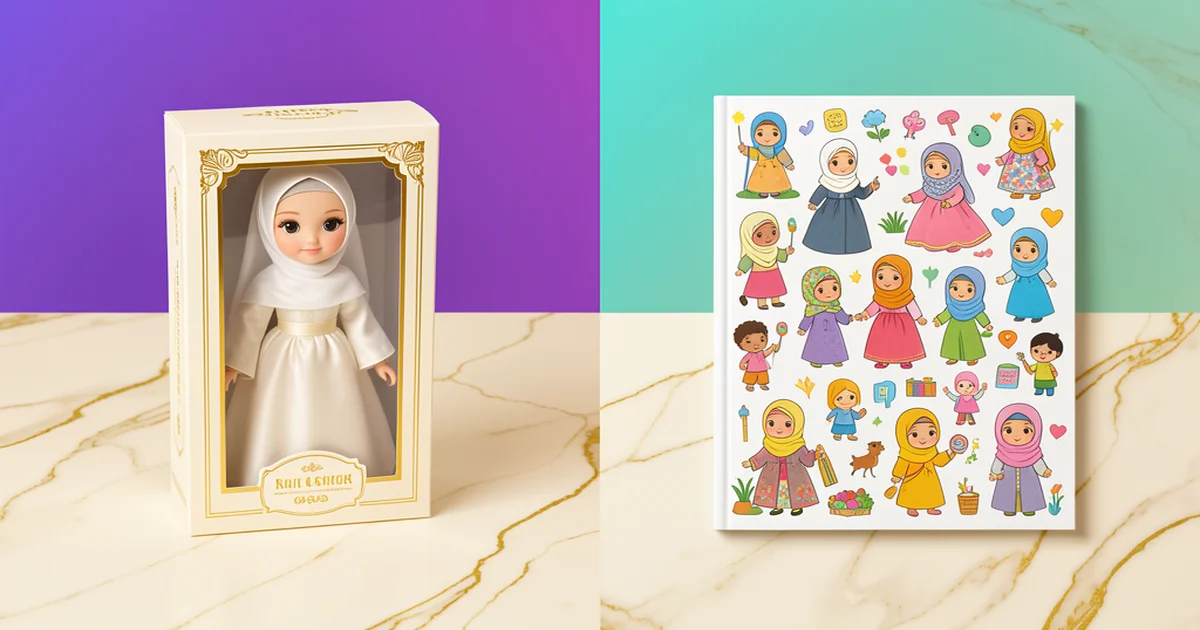
- Sticker books — Find one with hijabi characters at Target. We'll wait.
- Coloring books — Modest fashion representation? Almost nonexistent.
- Mobile apps — Muslim characters who aren't stereotypes? Rare.
- Toys and games — The Muslim community had to lobby Mattel just to get one hijabi American Girl doll.
When Islamic toys finally hit the shelves at Selfridges, Muslim moms celebrated. Because it shouldn't be that hard.
Why Salam Lanterns Exists
Blair, a young Muslim girl, wanted to buy sticker books as gifts for her friends at the masjid. She loved sticker books. But every one she found featured characters and styles that didn't match the modest values her friends shared.
She searched Etsy. Online stores. Everywhere.
Nothing.
Catherine said: "Let's make them ourselves."
That's how Salam Lanterns was born. Not from a business plan, but from a gap that shouldn't exist. Muslim girls deserve products where they see themselves — without having to write letters to corporate executives or wait for a retailer to decide they're worth stocking.
What We Built
- Little Hijabi Adventures — 50+ stickers for ages 3+. Everyday Muslim life: the park, the library, Eid celebrations.
- Beautiful Hijabi — Create diverse hijabi faces with different skin tones, styles, and accessories. Ages 5+.
- Modest Hijabi Fashion — Fashion-forward modest styling for ages 8+. Because modesty and style belong together.
- The Beautiful Hijabi App — $2.99 one-time. No ads. No subscriptions. Just 100+ stickers and face creation tools.
The Bigger Picture
The Elmo controversy is a reminder: representation isn't just about having products on shelves. It's about normalizing Muslim identity in children's spaces. When a muppet saying "hello" in Arabic triggers a media firestorm, it tells you exactly how far we still have to go.
Every time a Muslim girl opens a sticker book and sees characters who share her values, her culture, and her identity — that's a small act of normalization. That's a product saying: you belong here.
The backlash will come for anything that normalizes Muslim identity. The response is to build more. Create more. Make it unignorable.
May 12, 2026. Salam Lanterns creates hijabi sticker books and a mobile app for Muslim girls. Our mission: be the best place for Muslim girls in the West to play, create, and see themselves represented.