image: "/blog/when-muslim-kids-see-themselves-on-screen-but-still-cant-find-themselves-in-the-toy-aisle-hero.webp" title: "When Muslim kids see themselves on screen — but still can't find themselves in the toy aisle" description: "A Muslim animated film just hit US theaters. Meanwhile, Muslim girls are still searching for sticker books, dolls, and toys that actually look like them." date: "2026-06-10" slug: "when-muslim-kids-see-themselves-on-screen-but-still-cant-find-themselves-in-the-toy-aisle" category: "Representation" tags:
- muslim kids representation
- time hoppers silk road
- hijabi sticker books
- muslim girls toys
- islamic childrens media
- modest fashion kids
There's a moment early in Time Hoppers: The Silk Road — the first Muslim animated feature to get a nationwide US release — where a young Muslim girl picks up a glowing compass and steps into an adventure. My daughter Blair and I watched the trailer together, and she went quiet for a second. Then she said, "She looks like me."
She's right. The character wears hijab. She's curious, brave, and the center of her own story — not a sidekick, not a stereotype. That's huge. The film hit theaters in February 2026, and The Guardian reported that Muslim kids are "really underrepresented" in animation. This movie is a crack in that wall, and people are noticing.
Screens are catching up. Toys aren't.
Here's what I keep thinking about, though. When Blair and her friends come home from the movie, what do they play with?
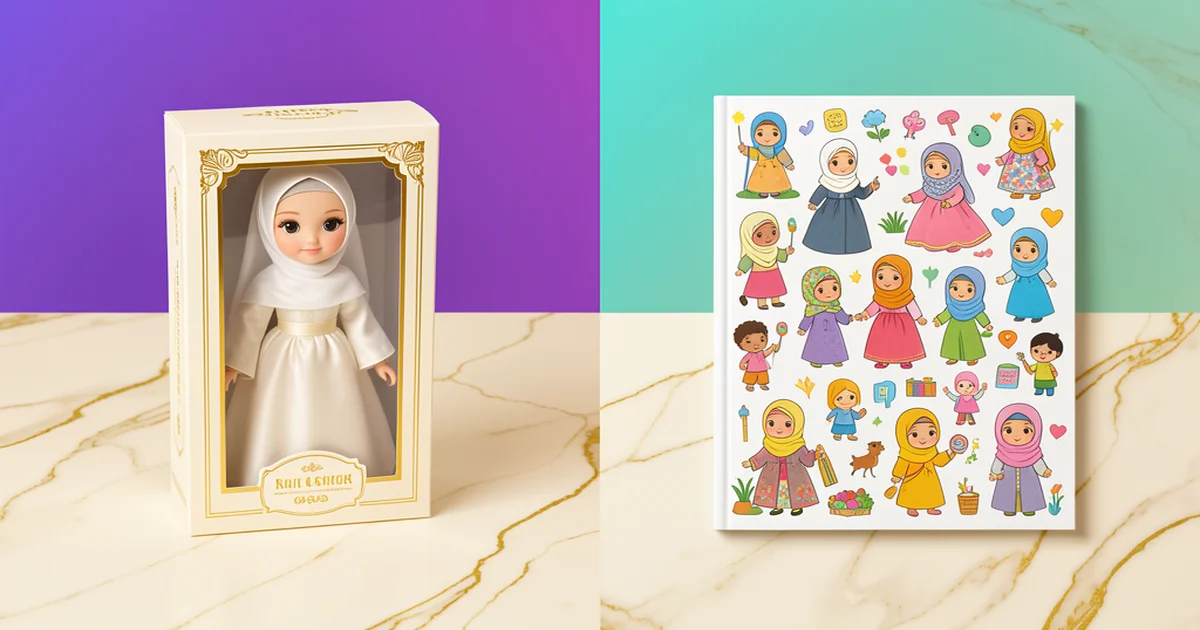
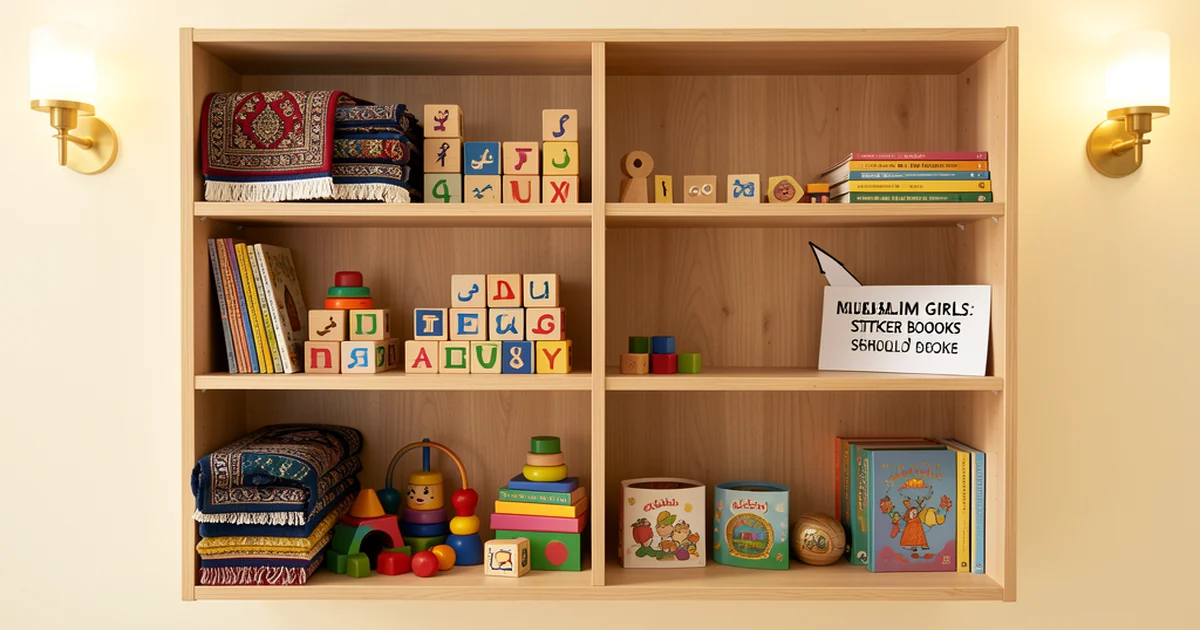
Nothing on the shelf was made with them in mind. No hijabi sticker books at Target. No modest fashion activity sets at Barnes & Noble. The Islamic toy section — if your local store even has one — is a handful of prayer mats and Arabic alphabet puzzles. Great products, sure. But they're educational tools, not creative play. Nobody's handing a five-year-old girl a sticker of someone who dresses like her, lives like her, and goes on adventures.
That's the gap Catherine noticed when Blair first started asking for gifts for her friends at the masjid. They searched Etsy, Amazon, every online store they could think of. Hijabi sticker books? Nothing. Modest fashion activity books for kids? Nope. Every option they found featured characters in clothing that wouldn't fly at our Friday gathering. So Catherine said what she always says when the answer is "no" online: "Let's make them ourselves."
What representation actually looks like on paper
Representation isn't just about seeing someone like you in a movie theater. It's about reaching for something at a sleepover and finding yourself there too.
When Blair opens Little Hijabi Adventures and sees a sticker of a girl in a bright hijab riding a bicycle, she doesn't have to translate the character into something relatable. The character just is relatable. That matters in a way that feels small until you watch a kid experience it. She places the sticker, adds some clouds, draws a friend next to her — and suddenly she's building a world where girls like her are just... normal.
The Beautiful Hijabi book takes it further. It's face creation stickers — eyes, hijabs, expressions — so girls can build characters that look like them or anyone they love. My niece spent twenty minutes on one page, making a sticker that matched her cousin Amira's exact style. Purple hijab, gold pin, the whole thing.
And for the older girls, Modest Hijabi Fashion is basically what the toy aisle should've been offering all along. Modest outfit combinations, fashion-forward looks, no compromise on values. It's the same creative play that every other kid gets with their fashion sticker books — just actually for Muslim girls.
The movie matters. So does what happens after the credits roll.
I'm glad Time Hoppers exists. I'm glad Paris hosted its first Modest Fashion Week this April, with designers from Indonesia, Turkey, Nigeria, and beyond sending hijab-wearing models down the runway. I'm glad the modest fashion market is heading toward $433 billion and the world is starting to notice that Muslim women and girls have taste, style, and spending power.
But representation on a screen or a runway is still representation at a distance. It's someone else's vision. The kind of representation that sticks — the kind that builds confidence in a seven-year-old — happens when she gets to make something herself. When she picks up a sticker, places it on a page, and decides what her world looks like.
That's what we built these books to do. And it's what the Beautiful Hijabi app does on a screen they already own — no ads, no subscriptions, just creative play that respects who they are.
Blair watched the Time Hoppers trailer three times the day we found it. Then she went to her room, pulled out her sticker books, and started making her own adventure. That's the whole point. The movie got her excited. The stickers let her own it.
If your daughter hasn't had that moment yet — where she opens something and sees herself looking back — start here. Three sticker books, an app, and a whole lot of girls who finally get to be the main character.