image: "/blog/the-islamic-toy-shelf-is-getting-crowded-but-not-for-muslim-girls-hero.webp" title: "The Islamic Toy Shelf Is Getting Crowded — But Not for Muslim Girls" description: "Islamic toys are everywhere now — prayer mats, Quran tablets, talking dolls. So why can't a Muslim girl find a sticker book with someone who looks like her?" date: "2026-06-08" slug: "the-islamic-toy-shelf-is-getting-crowded-but-not-for-muslim-girls" category: "Representation" tags:
- Islamic toys
- muslim girls
- hijabi sticker books
- muslim children
- representation
- muslim toy market
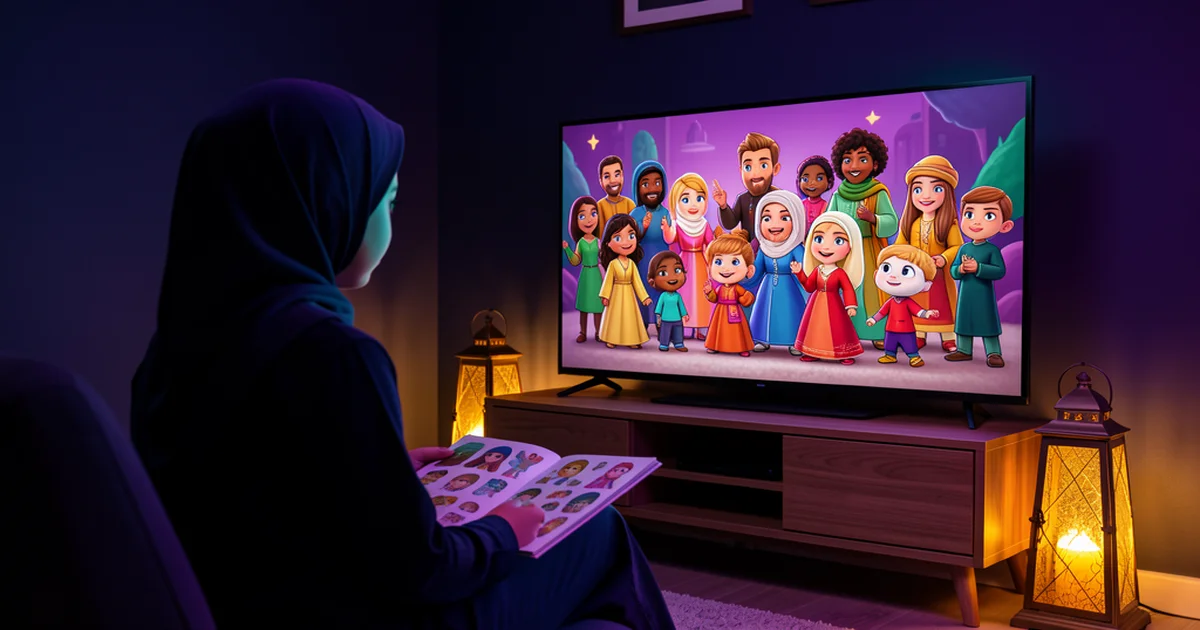
I spent an hour this morning scrolling through "top Islamic toys for 2026" lists. There's a lot there. Interactive prayer mats that light up when it's time for salah. Talking plush dolls that recite dua. Quran learning tablets with touch screens. Arabic alphabet puzzles. STEM kits built around Islamic geometry. Dua pillows that play bedtime suppurations.
My Salah Mat, one of the bigger names in the space, now ships internationally. Desi Doll Company has been expanding its product line for years. Riwaya, Crescent Moon Store, Salam Occasions — the shelf is genuinely getting crowded. If you're a Muslim parent looking for faith-based educational toys in 2026, you have more options than any generation before you.
That's worth celebrating. genuinely.
But scroll to the bottom of those lists. Past the prayer mats and the Arabic learning tools and the Eid craft kits. Look for something a Muslim girl might pick up on a random Tuesday afternoon in July, not during Ramadan, not for Eid — just because she's bored and wants to play.
Not learn. Play.
The educational tunnel
Here's what I mean. Go to Amazon and type "kids sticker book." Thousands of results. Fashion sticker books. Animal sticker books. Space sticker books. Reusable sticker books with mermaids, princesses, career-day outfits, vacation scenes. The variety is absurd.
Now type "Muslim sticker book" or "hijabi sticker book." The results shrink fast. You'll find some Eid-themed activity books. A few Arabic alphabet sticker sheets. Maybe a prayer-themed workbook. Almost nothing that's just... a sticker book. No hijabi characters choosing outfits for a day at the park. No Muslim girls building scenes from their actual lives.
The Islamic toy market has done an incredible job with religious education. Kids can learn wudu steps from a talking mat. They can memorize the 99 names of Allah with a color set. These products matter and parents buy them for good reason.
What the market hasn't done is make room for Muslim girls in the category that takes up the most shelf space for every other kid on earth: creative play.
Blair found this out the hard way
Blair was eight when she wanted to buy sticker books for her friends at the masjid. Not educational sticker books. Not Ramadan activity books. Regular sticker books — the kind where you pick outfits, build scenes, make characters look the way you want them to look.
She searched Etsy. Amazon. Every online store she could find. Every book she came across had the same characters in the same short skirts and sleeveless tops. Nothing with a hijab. Nothing with modest fashion. Nothing that looked like the girls she knew.
She came home upset. Not because she couldn't find something educational — she could find plenty of that. Because she couldn't find something fun that saw her.
Catherine told her what any good parent tells their kid when the world doesn't show up: "Let's make it ourselves."
Why "just play" matters more than we think
There's an unspoken assumption in the Islamic toy market: Muslim kids' toys should teach them something. Salah. Dua. Arabic. Quran. The products reflect this assumption, and parents buy into it because Islamic education is genuinely important.
But the EdTrust reported something last year that stuck with me. There are nearly two billion Muslims worldwide. Muslims make up about a quarter of the global population. And yet Muslim characters show up in only 1% of children's literature published in English. One percent.
Most of that 1% is concentrated in books about Eid, Ramadan, or immigration stories — important topics, but narrow. What's missing is the everyday stuff. A Muslim girl going to school. Choosing an outfit. Playing with friends. Being the main character in a story that isn't about her identity but about her life.
Sticker books do this quietly. A girl picks up a sticker book with hijabi characters and doesn't have to translate anything. She doesn't have to skip pages where the outfits don't work. She doesn't have to pretend the character looks different from what's printed. She just plays. That's it. That's the whole thing.
What's changing — and what isn't
I'll give the market credit where it's due. The past two years have brought more Muslim representation in kids' media than the previous twenty combined. Noor Kids built a subscription box that thousands of families rely on. Miraj Stories put Muslim characters into animated episodes. Planet Omar gave Muslim kids a chapter-book series they could actually relate to. Muslim Kids TV keeps growing, and platforms like it are filling a need that mainstream media ignored for decades.
But look at what those products center. Stories about faith. Lessons about values. Educational content with Islamic themes. All good. All necessary.
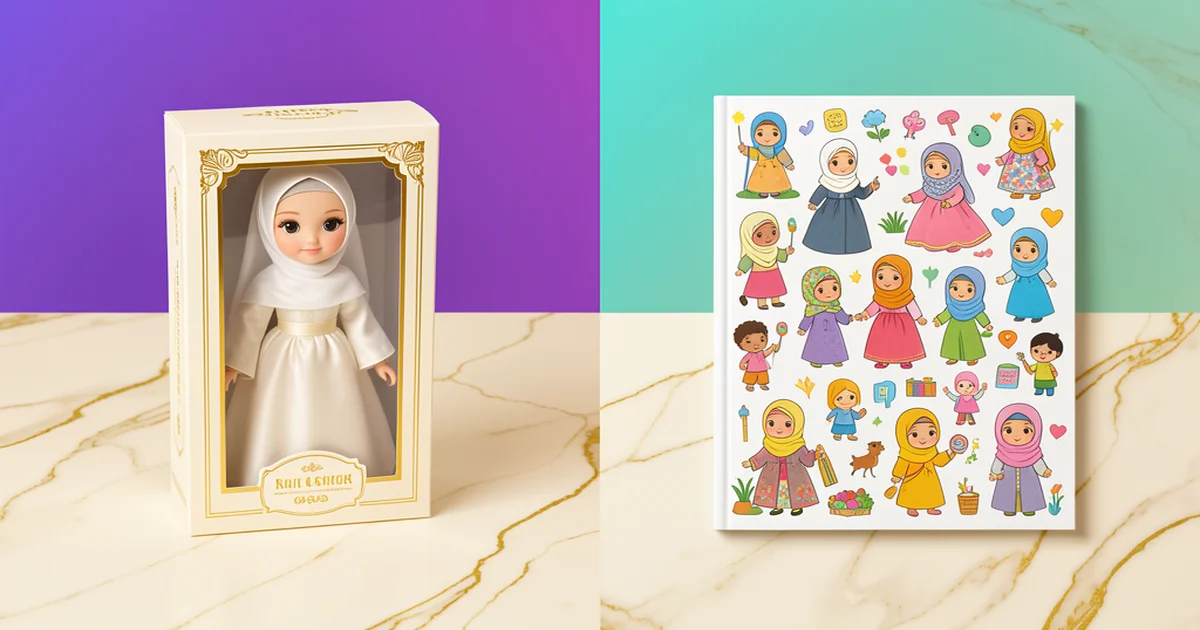
The creative-play category — the sticker books, the fashion dolls, the avatar apps, the "here's a world you can decorate however you want" stuff — still barely acknowledges Muslim girls exist. There's a "Mini Rahma Hijabi Doll" on Pinterest that pops up occasionally, but it's one product in an ocean of princesses.
Muslim girls don't only want to learn. They also want to create. Pick outfits. Design a room. Build a scene. The same things non-Muslim girls do with the sticker books that fill entire aisles at Target.
The sticker books that should have been there
That's what Blair, Catherine, and I built. Little Hijabi Adventures, for ages three and up, has more than fifty stickers and scenes built around a hijabi character going about her day — nothing preachy, nothing educational, just a kid being a kid. Beautiful Hijabi, for ages five and up, lets girls create faces and characters that look like them. Modest Hijabi Fashion, for ages eight and up, is about style — abayas, long skirts, hijab combinations — the kind of creative fashion play that every other sticker book on the market already offers, minus the representation.
The Beautiful Hijabi app does the same thing on a screen, but with a crucial difference: no ads, no subscriptions, no data collection. $2.99 once. Create your hijabi avatar, dress her up, make her yours. It's screen time, but it's screen time where a Muslim girl is the default, not the exception.
If you're buying two books, you save $5. Three books save $10 and the app comes free. You can get started here.
The shelf isn't full until everyone's on it
The Islamic toy market has come a long way from the empty shelf it was ten years ago. That deserves real recognition. But a market that teaches Muslim kids everything about their faith while leaving them out of play isn't finished yet.
The next time you see a "top Islamic toys" list, count how many items are designed for a Muslim girl to pick up and play with — not study, not learn, not memorize — just play. The answer will tell you exactly why Salam Lanterns exists.
Blair didn't set out to make a statement. She wanted to buy a sticker book for her friend. The fact that she couldn't find one is the statement. The books she helped create are the answer.