title: "The Modest Fashion Industry Is Booming — But Nobody's Talking About the Kids" description: "The global modest fashion market is heading toward $433 billion. Runways, Instagram, Paris Fashion Week. But Muslim girls still can't find a sticker book that looks like them." date: "2026-05-20" slug: "modest-fashion-boom-what-about-muslim-kids" category: "Representation" tags:
- modest fashion
- Muslim girls representation
- hijabi sticker books
- Islamic toys for kids
- Muslim children image: "/blog/modest-fashion-boom-what-about-muslim-kids-hero.webp"
The Number Everyone's Quoting
$433 billion by 2028. That's where the global modest fashion market is headed, according to industry reports that keep getting shared around this month. Al Jazeera just ran a feature on it. Vogue has covered it. Nike, H&M, and Uniqlo all have modest lines now.
It's a real thing. Modest fashion has moved from niche to mainstream, and the energy behind it is legitimate.
But I keep noticing something every time I read another article about the boom: the coverage is about adults. Runway shows. Influencer campaigns. Hijabi models in glossy magazine spreads. All valuable, all overdue.
Where are the kids?
The Gap Is Real
Muslim children are roughly a quarter of the global Muslim population. In the US alone, there are over 3.5 million Muslims, and the community skews young — median age around 24. That means a lot of families with kids under 12 who are growing up Muslim in America.
Those kids need clothes, yes. Mini abayas exist. Kids' hijabs exist. But representation isn't just about what you wear. It's about what you play with, what you see on screen, what characters you imagine yourself being.
Right now, the toy industry has almost nothing for Muslim girls who want to see themselves in play. Walk into any major retailer and you'll find sticker books, coloring sets, and dress-up kits featuring every kind of character — none of them hijabi.
The modest fashion industry figured out that Muslim women want to see themselves reflected in what they buy. The toy industry hasn't caught up.
What Screen Time Actually Looks Like
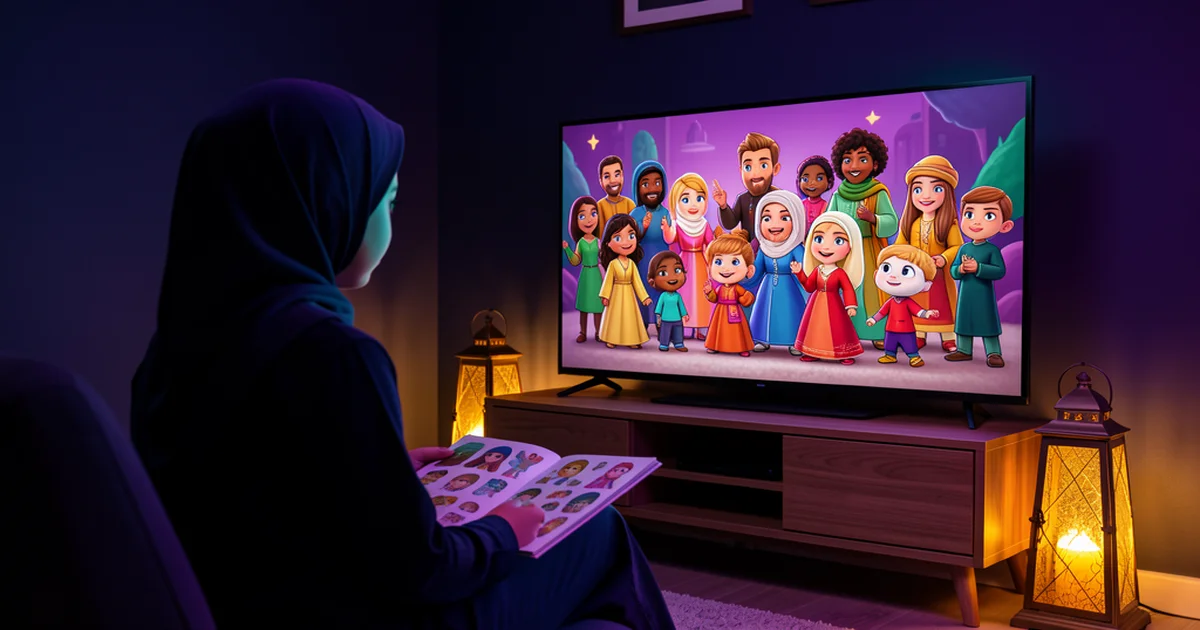
Muslim parents I talk to are navigating the same screen-time battles as everyone else, with an added wrinkle: most of the content their kids consume doesn't represent them.
There's a whole ecosystem of advice now — Islamic parenting blogs, digital tarbiyah guides, screen time frameworks rooted in faith values. The common thread is that parents want their kids engaged with content that aligns with their values. Not just filtered content, but content where Muslim identity is normal, present, unremarkable.
A hijabi girl opening an app and building a character that looks like her isn't a political statement. It's Tuesday afternoon. It's what every other kid gets to do without thinking about it.
What We're Building
When Blair wanted to buy sticker books for her friends at the masjid and couldn't find a single one with hijabi characters, she didn't start a petition. Catherine just said, "Let's make them ourselves."
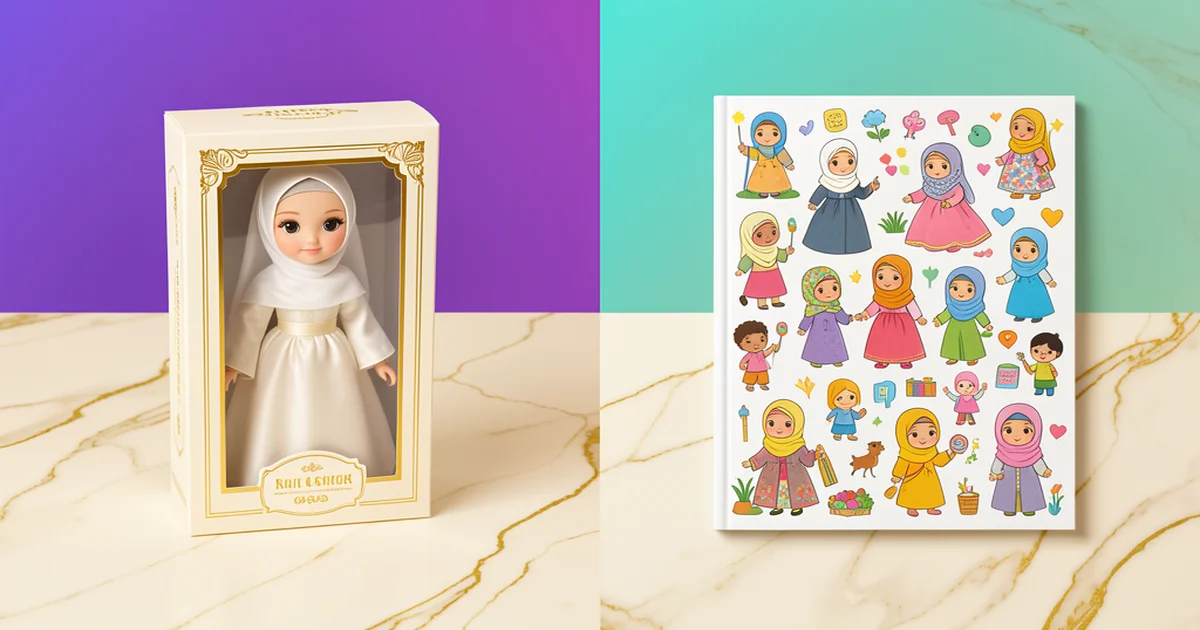
That's how Salam Lanterns started. Three sticker books and an app, all built around the idea that Muslim girls deserve to see themselves in their own play.
Little Hijabi Adventures — ages 3 and up, 50+ stickers, everyday scenes at the park, the library, Eid. Beautiful Hijabi — ages 5 and up, face creation with different skin tones and hijab styles. Modest Hijabi Fashion — ages 8 and up, for the kid who actually cares about color coordination and accessories. And the Beautiful Hijabi App — $2.99, one-time, no ads, no subscriptions, 100+ digital stickers.
The two-book bundle saves $5. The three-book bundle saves $10 and includes free app access. We kept the pricing simple because parents have enough to think about.
The $433 Billion Question
Here's what I keep coming back to: the modest fashion market is growing because brands realized Muslim consumers exist and have money to spend. That realization drove investment, which drove products, which drove more visibility.
The same cycle can happen in kids' products. But it starts with parents choosing to spend money on the things that represent their kids. Every sticker book that sells, every app download, every word-of-mouth recommendation at the masjid — that's what tells the market "we're here, we're buying, make more of this."
The modest fashion boom didn't start with a corporate strategy session. It started with Muslim women posting outfit photos on Instagram and creating demand that brands couldn't ignore. Kids' representation can follow the same path. Parents share what works. Products that actually represent Muslim childhoods gain traction. More creators enter the space.
That's the bet we're making at Salam Lanterns. Not that we'll compete with Mattel. That we'll prove the market exists so more people build for it.
What Comes Next
We're working on apps for every book. More sticker sets. Games. The long-term vision is a whole platform where Muslim girls in the West can play, create, and see themselves — not as a side character in someone else's story, but as the main one.
Because a $433 billion industry that doesn't include kids isn't really serving the community. It's serving the adults who already have purchasing power. The next generation deserves their own seat at the table.