image: "/blog/muslim-girls-representation-gap-hijabi-sticker-books-hero.webp" title: "The Representation Gap Muslim Girls Still Face in 2026" description: "Muslim designers just walked Paris runways. But our daughters still can't find sticker book characters who wear hijab. The representation gap starts at playtime." date: "2026-05-25" slug: "muslim-girls-representation-gap-hijabi-sticker-books" category: "Representation" tags:
- muslim girls representation
- hijabi sticker books
- muslim parenting
- modest fashion
- islamic toys
- representation gap
Yesterday, Muslim designers showcased floral dresses and boxy streetwear on Paris catwalks. The BBC covered it. Global modest fashion is heading toward $433 billion by 2028.
Meanwhile, Blair — my daughter — still can't walk into a store and buy a sticker book with characters who wear hijab.
This is the gap nobody talks about. Representation hasn't trickled down to playtime.
The Paris runway and the playground
The modest fashion moment is real. Hijabi models. Mainstream coverage. Brands finally realizing Muslim women have money and taste. That's genuinely good.
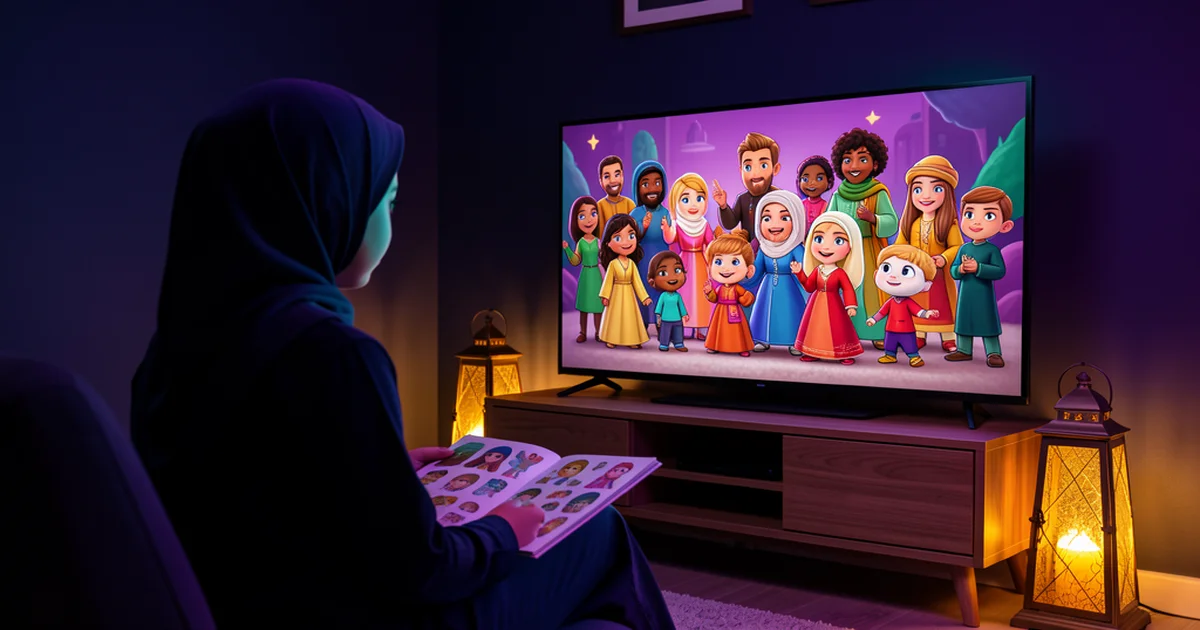
But here's what gets me: a six-year-old at the masjid doesn't care about Paris Fashion Week. She cares about whether the sticker book in her hands has anyone who looks like her mom. Like her aunt. Like her.
When Blair wanted to buy sticker books as gifts for her friends at the masjid, we searched everywhere. Etsy. Big retailers. Every "diversity" toy section we could find. Nothing. Not one sticker book with hijabi characters. Plenty of princesses. Zero hijabis.
So Catherine — my wife — said the thing that started all of this: "Let's make them ourselves."
And we did.
The numbers that matter more than $433 billion
The global Muslim market is huge — $433 billion by 2028, according to industry projections. Investors love that number.
But the number I think about is smaller: zero. That's how many sticker books Blair found with hijabi girls. That's how many face-creation sticker sets let a Muslim girl build a character that looks like her.
There's another number: 50. That's how many stickers are in our first book, Little Hijabi Adventures. Fifty little pieces of proof that she belongs in the story.
The economic opportunity is real. But the personal cost of invisibility is realer. Ask any mom who's watched her daughter flip through a sticker book, scanning every page, looking for someone who shares her faith — and finding nobody.
What the "representation gap" actually means for a kid
We talk about representation like it's an abstract goal. A diversity checkbox. It's not.
When a Muslim girl opens a sticker book and every character shares her skin tone but not her hijab, the message is subtle but clear: you can be brown, but not Muslim. You can be a girl, but not visibly one who practices her faith.
That's not a message anyone intends to send. But silence sends it anyway.
The viral conversation right now — from Muslim parenting groups to Instagram reels pulling hundreds of likes in hours — is about exactly this. Fatimah Bazzi, a Muslim mom and creator, put up a reel yesterday saying the scariest part of raising a Muslim girl in 2026 isn't peer pressure or boys. It's the representation gap. The comments section lit up. Hundreds of parents nodding along. Moms sharing their own stories of daughters asking why the "pretty" characters never cover their hair.
The MuslimMatters piece from April — "Beyond Representation: Reclaiming Spiritual Storytelling for Muslim Children" — made the intellectual case. The Instagram moms are making the emotional one. The Paris runways are making the cultural one.
And on the ground? At kitchen tables and masjid playrooms? Girls are still waiting for the products to show up.
What we built instead of waiting
Salam Lanterns started as three sticker books and one mobile app. Blair, Catherine, and I built it together when the market wouldn't build it for us.
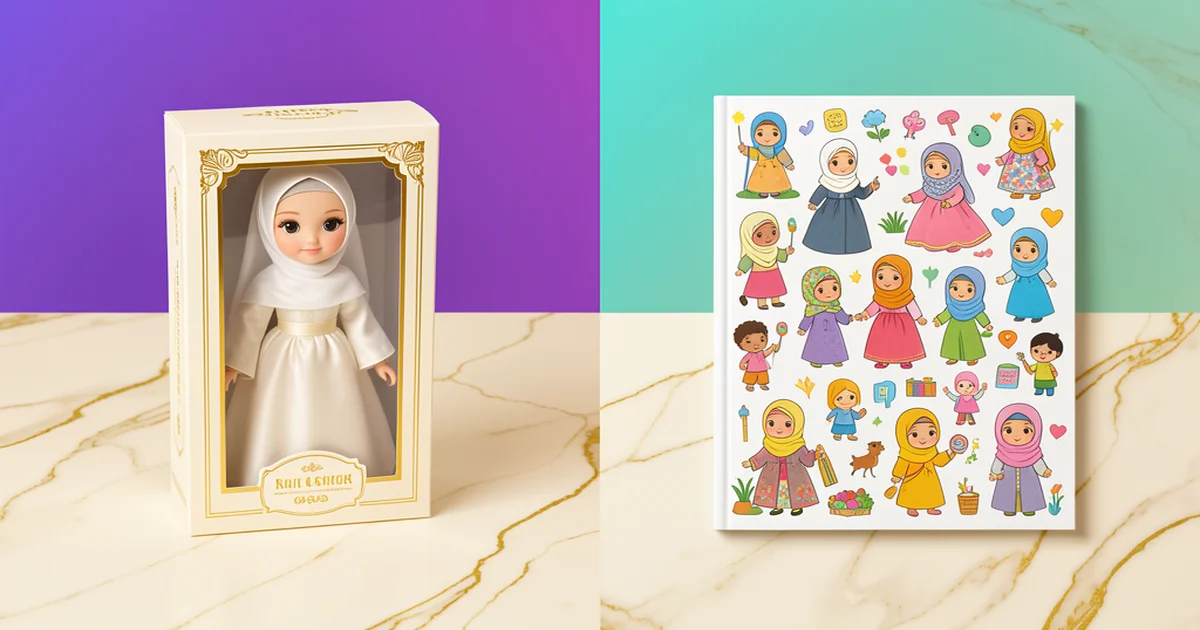
Little Hijabi Adventures — 50+ stickers for ages 3 and up. Scenes of celebration, family, everyday joy. All with hijabi characters.
Beautiful Hijabi — a face-creation sticker book for ages 5+. Mix and match features, expressions, hijab styles. Build a character that looks like you.
Modest Hijabi Fashion — for the 8+ crowd who are starting to think about personal style and want to see modest fashion celebrated, not ignored.
And the Beautiful Hijabi app — a digital sticker playground with over 100 stickers, no ads, no subscriptions, just a one-time $2.99. On iOS and Android.
We're not a billion-dollar brand. We're a family project that turned into a small business. But every order that comes through — and there have been more than we expected — tells us the same thing: Muslim parents have been waiting for this.
The gap is closing. Slowly.
The Paris catwalk moment matters. The viral reels matter. The growing shelf of Islamic toys — prayer mats that talk, memory games with Quran themes, dolls that wear hijab — all of it matters.
But the gap won't close from the top down. It closes one product at a time, made by people who actually know what it feels like to search and find nothing.
We're making sticker books. We're building an app. Eventually, more apps. Maybe games. Maybe shows. Whatever Muslim girls are missing at playtime — we're going to try to make it.
Because Blair's friends at the masjid deserved sticker books two years ago. And the next group of girls shouldn't have to wait.
See the books or try the app. They exist now.